Understanding Image to Image AI
In the rapidly evolving landscape of digital creativity, image to image ai has emerged as a transformative tool that revolutionizes how artists, designers, and content creators approach visual projects. By leveraging advanced artificial intelligence algorithms, this technology enables users to generate or modify images based on existing visual inputs, leading to a host of innovative applications across various industries. From enhancing artistic expression to streamlining the design process, understanding the mechanics of image to image AI is crucial for anyone looking to harness its full potential.
What is Image to Image AI?
Image to Image AI refers to a subset of artificial intelligence technologies that focus on generating new images from existing ones. This process can involve altering styles, merging different visuals, or creating entirely new concepts based on reference images. Utilizing deep learning algorithms such as Generative Adversarial Networks (GANs), this technology can produce remarkably realistic images that maintain the integrity of the original while introducing new artistic elements. For example, a user can provide an initial photograph and instruct the AI to transform it into a painting, a cartoon, or even a surreal landscape, showcasing the versatility of image to image AI.
How Image to Image AI Works in Creative Processes
The functionality of image to image AI is rooted in sophisticated computational models that analyze the features of an input image and generate an output based on learned patterns from vast datasets. When a user inputs an image, the AI processes it through multiple layers of neural networks that capture different aspects—such as texture, color, and composition. Depending on the desired outcome, users can manipulate parameters to influence the final result, making it an invaluable asset for creative professionals seeking diverse visual outputs without starting from scratch.
Importance of AI in Modern Design
The integration of AI into design practices has significantly expedited the creative workflow, allowing professionals to experiment with ideas and concepts that might have taken weeks or months to develop manually. By automating repetitive tasks and providing fresh inspirations, AI tools empower designers to focus on higher-level creative thinking and strategy. In a world where visual content is king, the ability to leverage image to image AI not only enhances creative possibilities but also ensures that designers remain competitive in an industry characterized by rapid change and technological advancement.
Getting Started with Image to Image AI Tools
Embarking on the journey of incorporating image to image AI into your creative toolkit can be exhilarating yet daunting. With numerous software options available, understanding how to navigate the landscape of AI tools is essential for maximizing their utility. This section will guide you through the process of choosing the right software, setting up your environment, and integrating these powerful tools into your existing workflow.
Choosing the Right Software for Image Generation
When selecting software for image generation, consider the specific features and capabilities necessary for your projects. Some popular tools include DALL-E, Midjourney, and Artbreeder, each offering unique functionalities suited for different creative needs. Evaluate factors such as user interface, compatibility with your existing tools, cost, and output quality. Additionally, look for software with a strong community or user support to assist you in troubleshooting and enhancing your experience.
Setting Up Your Creative Environment
Creating a conducive environment for utilizing image to image AI involves not only installing the right software but also organizing your workspace for optimal creativity. Ensure that your hardware meets the necessary specifications for running AI software, as high-quality image processing can be resource-intensive. Setting up a dedicated workspace free from distractions can also help you focus and explore your creative potential without interruptions.
Integrating Image to Image AI into Your Workflow
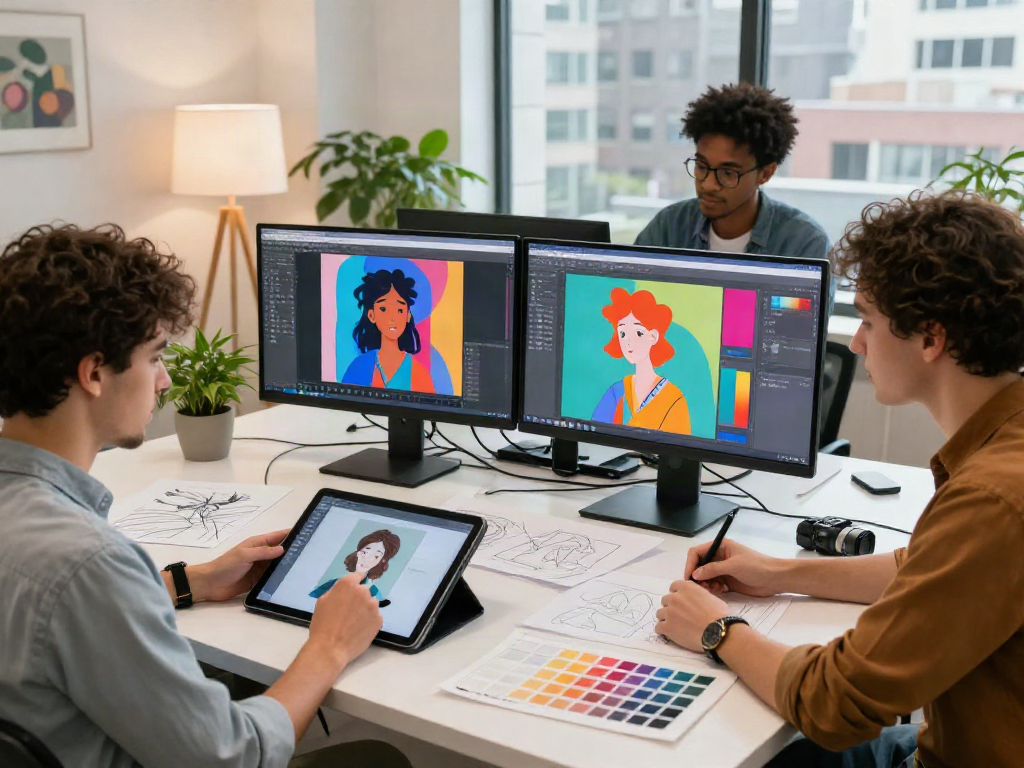
To effectively integrate image to image AI into your existing creative workflow, start by identifying specific tasks that can benefit from AI enhancement. For instance, if you are a graphic designer, consider using AI tools to generate initial drafts or variations of your designs. Collaborate with AI by employing it as a source of inspiration rather than relying solely on it for final outputs. This hybrid approach can lead to richer, more creative results while maintaining your artistic integrity.
Best Practices for Effective Image Creation
To fully harness the power of image to image AI, it is essential to adhere to best practices that enhance the quality of your generated images. This section will outline techniques for improving image quality, highlight common pitfalls, and explore real-world applications to illustrate the practical value of this technology.
Techniques for Enhancing Image Quality
Enhancing image quality when using AI tools involves understanding the input you provide. High-resolution images with well-defined elements will yield better results compared to low-resolution or poorly-lit images. Experiment with different styles and parameters to achieve the best output. Furthermore, post-processing using traditional editing software can fine-tune your AI-generated images, ensuring they meet professional standards.
Common Pitfalls to Avoid in Image Generation
While image to image AI offers exciting possibilities, there are common errors to be mindful of during the generation process. Relying solely on AI without providing sufficient input or context can lead to unsatisfactory results. Additionally, over-manipulating images may result in outputs that feel disjointed or lack coherence. Always strive for a balance between AI capabilities and your creative vision.
Real-World Applications of Image to Image AI
Image to image AI has a multitude of applications across various industries. In fashion, designers use AI to envision new clothing lines, while architects utilize it to visualize concepts before construction. The gaming industry benefits by generating intricate environments and character designs. Art institutions are also exploring AI as a tool for artistic expression, bridging the gap between technology and traditional art forms.
Case Studies: Successful Use of Image to Image AI
Numerous companies and individuals have successfully integrated image to image AI into their creative strategies, leading to innovative outcomes and impressive results. This section examines notable case studies that showcase the impact of AI on design and creativity.
Industry Leaders Utilizing AI in Design
Companies like Adobe and Autodesk are at the forefront of integrating AI into their design platforms, offering tools that enhance creativity and efficiency. Adobe Sensei, for example, utilizes AI to automate mundane tasks in Photoshop, allowing designers to focus on the creative aspects of their projects. These industry leaders exemplify how embracing AI can revolutionize traditional workflows and inspire new creative achievements.
Impact of AI on Creativity and Innovation
The impact of image to image AI extends far beyond mere efficiency; it fosters a new era of creativity. Artists report that AI-generated images have helped them break through creative blocks, offering unexpected inspiration and novel perspectives. This collaborative approach between human creativity and machine learning not only generates unique outcomes but also expands the realm of what is possible in the arts.
Lessons Learned from Case Studies
Through various case studies, key lessons emerge about the effective use of image to image AI. Collaboration between human and machine can produce more impressive results than either could achieve alone. Additionally, maintaining an open mindset about how AI can shift traditional processes can lead to exciting new approaches and innovations in design.
Future Trends in Image to Image AI
As we look toward the future, the role of image to image AI in shaping the visual arts landscape is poised to grow even more significant. This section will explore anticipated trends and technologies that are expected to emerge by 2026, along with insights on how to prepare for these changes.
The Role of AI in Shaping Visual Arts in 2026
By 2026, we can expect AI technologies to become increasingly sophisticated, offering even more refined and intuitive image generation capabilities. Enhanced algorithms will allow for more personalized outputs based on individual user preferences and styles. The boundaries between traditional and digital art forms will continue to blur as more creators embrace AI tools in their processes.
Emerging Technologies and Their Implications
New technologies, such as augmented reality (AR) and virtual reality (VR), will further enhance the applicability of image to image AI. As AR and VR environments become more commonplace, the need for dynamic, adaptable images will rise. AI will play a crucial role in generating real-time visuals that respond to user interactions within these immersive environments.
Preparing for the Future of AI in Creative Fields
To prepare for the future, creatives should actively engage with emerging technologies and stay informed about advancements in image to image AI. Building skills in AI software, understanding ethical considerations, and exploring collaborative approaches will be essential for harnessing the full potential of these tools. Embracing a mindset of continuous learning and adaptation will ensure that creatives remain at the forefront of innovation in the visual arts.
What are the advantages of using Image to Image AI?
Image to image AI offers several advantages, including enhanced productivity, diverse creative options, and the ability to explore new artistic styles without extensive training. This technology can also save time by automating tedious tasks and providing inspiration, contributing to a more dynamic creative process.
How can beginners start using Image to Image AI tools?
Beginners looking to start with image to image AI should begin by selecting user-friendly software that offers tutorials and resources. Engaging with online communities can also provide valuable insights and support. Experimenting with different styles and techniques, even through simple projects, can build confidence and skill over time.
What industries are most impacted by Image to Image AI?
Industries most impacted by image to image AI include fashion, gaming, advertising, film, and marketing. Each of these sectors benefits from the technology's ability to generate appealing visuals quickly and efficiently, enabling rapid prototyping and ideation.
Are there any ethical considerations with AI-generated images?
As with any technology, ethical considerations arise with the use of AI-generated images. Issues such as copyright infringement, attribution of authorship, and the potential for misuse of generated images must be addressed. Engaging in transparent practices and considering the societal impacts of AI technology is essential for responsible use.
What is the future of image generation technology by 2026?
By 2026, image generation technology is expected to reach unprecedented levels of sophistication. We may see more intuitive software capable of understanding user intentions more accurately, producing highly personalized visuals and innovative artistic styles. The evolution of AI will continue to challenge the definitions of art and creativity, further enhancing the collaborative potential between humans and machines.